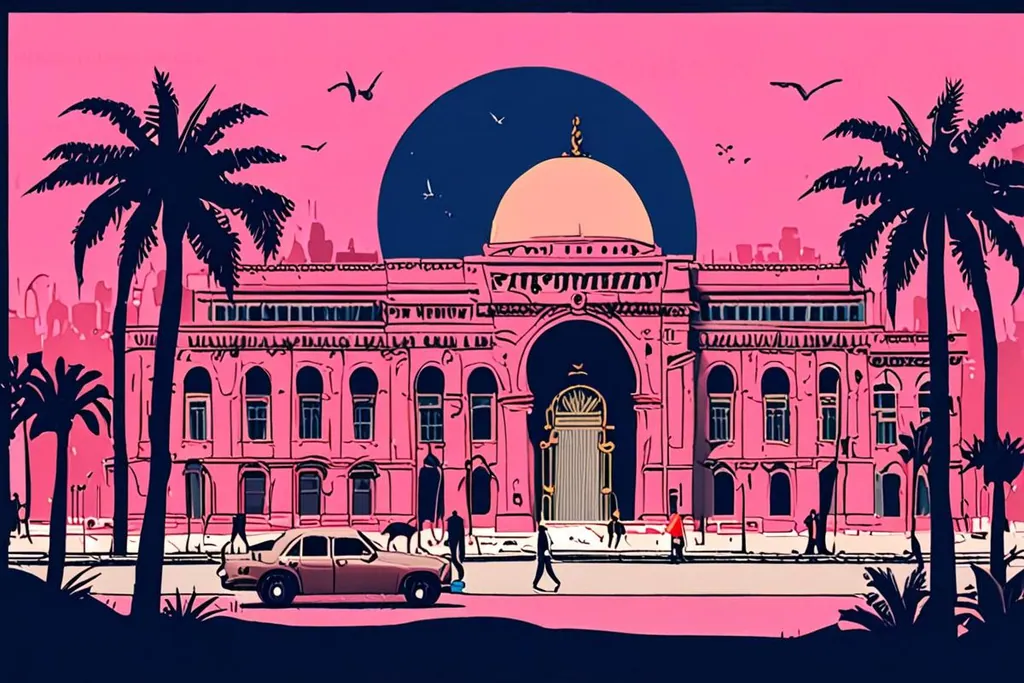
The Egyptian Museum has a name problem: it is the old one now. The building on Tahrir Square, opened in 1902, was the first national museum in the Middle East, and for most of the last century it held the things people came to Egypt to see, including all of Tutankhamun’s tomb equipment and the mummies of the New Kingdom kings. The royal mummies moved across the city to the National Museum of Egyptian Civilization in 2021, and the Grand Egyptian Museum at Giza opened in full on 1 November 2025 holding more than 100,000 objects and the complete Tutankhamun collection.
So the Tahrir museum is no longer the default stop, and that has changed what a visit is for. What remains is more than 170,000 objects, the largest single collection of Egyptian antiquities anywhere, in a building designed before anyone thought about visitor flow: high rooms, long galleries of old cases, and the specific pleasure of a museum that is an artefact itself.
- Tòa nhà khai trương
- 1902
- Hiện vật trong bộ sưu tập
- 170,000+
- Vị trí
- Quảng trường Tahrir
- Năm xây dựng tòa nhà
- 1901
What is worth the two hours
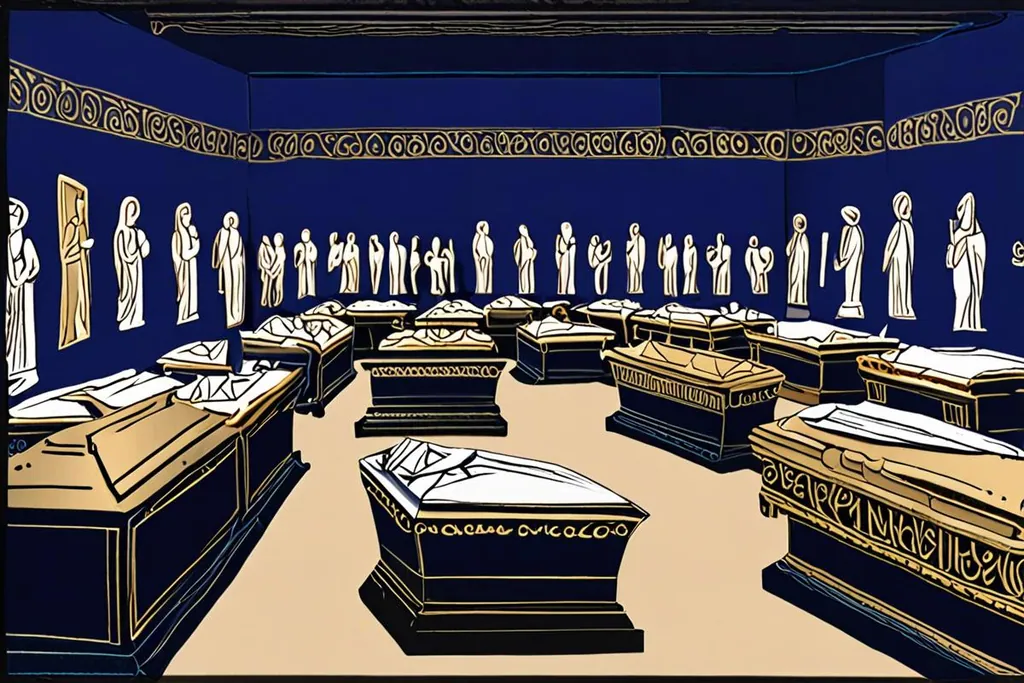
The strength of the collection now is the material that was never a blockbuster: the Old and Middle Kingdom, the statues and the stelae on the ground floor, the coffins and funerary equipment above, the objects of ordinary life, the animal mummies, the models of boats and workshops that were buried to work for the dead. None of it needs a crowd, and much of it has never been loaned or re-displayed.
The building is part of it. It was constructed in 1901 and has been used for its purpose ever since, with the same floors, the same windows and much of the same joinery, and the corridors still run in the order the early curators arranged them. If you have been to a modern museum, that is exactly what this is not, which is why people who like the place like it so much.
Whether any particular object is still there depends on the transfers, which have been gradual and are not finished. Ask at the desk, or check the museum’s own site before you go, rather than relying on a guidebook or a photograph from 2019.
The three museums, and how to choose
Cairo now has three museums that a visitor might reasonably want, and they do different jobs. The Egyptian Museum at Tahrir is the old collection: statuary, coffins, small objects, an original nineteenth century building. The Grand Egyptian Museum at Giza is the modern one: the Tutankhamun galleries, the monumental architecture, room to breathe, and the pyramids next door. The National Museum of Egyptian Civilization in Fustat holds the royal mummies, which is a visit of its own.
If you have one free half day and no interest in objects for their own sake, the Grand Egyptian Museum answers the question more directly. If you have a morning and a taste for the older way of doing things, or you have already seen the new one, Tahrir is the more interesting two hours.
Ba bảo tàng, một bộ sưu tập
1902
Tòa nhà tại Tahrir
Bảo tàng Cổ vật Ai Cập khai trương trong tòa nhà cổ điển được xây dựng cho mục đích này năm 1901, đối diện với quảng trường khi đó nằm ở rìa thành phố hiện đại. Đây là bảo tàng quốc gia đầu tiên tại Trung Đông, tổng hợp các bộ sưu tập từng phân tán ở nhiều địa điểm cũ.
1922 to 1932
Tutankhamun xuất hiện
Phát hiện của Howard Carter đã mang về cho bảo tàng toàn bộ hiện vật trong mộ của một vị vua nhỏ, được khai quật suốt một thập kỷ, biến nơi đây thành một trong những bảo tàng nổi tiếng nhất thế giới. Những hiện vật này ở tầng trên suốt phần còn lại của thế kỷ, là lý do chính khiến khách đến tham quan.
2011
Bảo tàng bị đột nhập
Trong thời kỳ cách mạng, bảo tàng bị đột nhập, các tủ trưng bày bị đập vỡ và 54 hiện vật bị lấy đi, trong đó 25 hiện vật đã được tìm thấy ngay sau đó trong khuôn viên bảo tàng; các hiện vật bị hư hỏng được trưng bày trong một triển lãm về quá trình phục chế. Đó là lý do bảo vệ và vé tại các di tích Ai Cập hiện tại rất nghiêm ngặt.
2021
Xác ướp hoàng gia rời đi
Các xác ướp hoàng gia thời Tân Vương quốc được chuyển sang Bảo tàng Quốc gia Văn minh Ai Cập bằng một cuộc diễu hành truyền hình, lần đầu tiên rời khỏi các phòng ở Tahrir sau hơn một thế kỷ.
2025
Bảo tàng Đại Ai Cập chính thức mở cửa
Bảo tàng mới tại Giza chính thức khai trương ngày 1 tháng 11 năm 2025, lưu giữ hơn 100.000 hiện vật và trọn bộ 5.398 hiện vật từ lăng Tutankhamun trong hai phòng riêng. Bảo tàng tại Tahrir vẫn mở và bộ sưu tập là những hiện vật cổ chưa được chuyển đi.
The building, and the square
Tahrir Square is the centre of Cairo and the site of everything that has happened in the city for seventy years, from the revolution of 1952 to the events of 2011, when the museum was broken into, cases were smashed and objects were taken. The Sadat metro station is underneath the square, which makes the museum the easiest cultural stop in Cairo to reach: no taxi negotiation, no traffic, and you come up out of the ground facing the gate.
Once inside, the practical advice is short. There is no air conditioning worth the name and the upper floor is hotter than the ground; there is little labelling in English beyond the object cards; and the building is small enough to walk end to end, which means any visit is a choosing exercise rather than a survey. Pick two things to look at properly and let the rest go past.
What to see, room by room
The ground floor is arranged by period, which is the only sensible way to walk it: the Old Kingdom rooms, then the Middle Kingdom, then the New Kingdom and the late period, with the heavier stone statues in the central atrium where the light comes down. The upper floor is arranged by subject rather than date: coffins and sarcophagi, funerary equipment, jewellery, papyri, and the small objects that make a museum worth an afternoon, from cosmetic spoons to the models of boats and workshops buried to work for the dead.
If you only have an hour, take the atrium, the coffin gallery and whatever temporary exhibition is on, and leave the rest. If you have three, work the ground floor clockwise, then go up, then come back down for the objects you passed too quickly: that is how a building of this shape is used, and it is what the early visitors did when there were half as many objects and twice as many hours in the day.
Một bảo tàng hay ba?
Bạn có hơn một ngày ở Cairo không?
Tutankhamun có phải là lý do bạn đến đây?
Bảo tàng cũ tại Tahrir
Hai tiếng, đi sớm: tầng trệt xem tượng và bia đá, tầng trên xem quan tài, hiện vật chôn cất và các vật dụng đời thường, sau đó ra quảng trường trước khi trời nóng và các đoàn học sinh đến. Đây là bảo tàng để nhìn ngắm hiện vật thay vì trình diễn, và vé vào khá rẻ.
Bảo tàng Đại Ai Cập tại Giza
Nếu bạn đến vì Tutankhamun và quy mô bảo tàng, đây là nơi bạn sẽ dành trọn ngày: 100.000 hiện vật, trọn bộ hiện vật lăng mộ trong hai phòng riêng và tòa nhà thiết kế cho đông khách, điều mà Tahrir chưa từng làm được. Nằm cạnh kim tự tháp, bạn có thể kết hợp tham quan trong cùng một ngày.
Cả ba bảo tàng, và thứ tự quan trọng
Bắt đầu ở Tahrir để xem bộ sưu tập cổ khi còn tỉnh táo, sau đó đến Bảo tàng Đại Ai Cập ở Giza để thấy Tutankhamun và quy mô khổng lồ, cuối cùng sang Bảo tàng Quốc gia Văn minh Ai Cập ở Fustat nếu muốn xem xác ướp hoàng gia. Nên vào Tahrir trước, vì bảo tàng mới sẽ cho bạn thấy bảo tàng này là một phòng sưu tập kiểu thế kỷ 19.
Trước khi đến quảng trường Tahrir
0/8
The Egyptian Museum is no longer the museum of the greatest hits, and that is the reason to go: it is the collection of everything else, in a building that has been quietly accumulating for a hundred and twenty years. Two hours, early, with the Tutankhamun and mummy questions answered elsewhere.