Sharm El Sheikh is a city of about 77,000 people at the southern tip of the Sinai Peninsula, in South Sinai Governorate, and it is really a string of bays: each one has hotels arranged around its own piece of reef, and the address you book decides what your holiday looks like. It is also the administrative centre of a governorate that runs up the east coast and inland to the mountains, including Dahab, Nuweiba, St Catherine and Mount Sinai.
The town itself is young in its present form. It was a fishing settlement and a military base before the coast was developed as a resort, and the government pushed the development deliberately, which is why the resort strip has the shape of a plan rather than a village. Downtown has the banks and the offices; the bays have the hotels. Between them is a desert coast of about forty kilometres of shoreline with mountains behind it.
- Dân số thành phố, 2017
- 77,000
- Nhiệt độ trung bình cao nhất ngày, tháng 1 đến 8
- 21.7 đến 37.5
- Hai tháng nóng nhất
- 37.5 °C
- Cao hơn mực nước biển
- 1 m
Why people come, and what they see
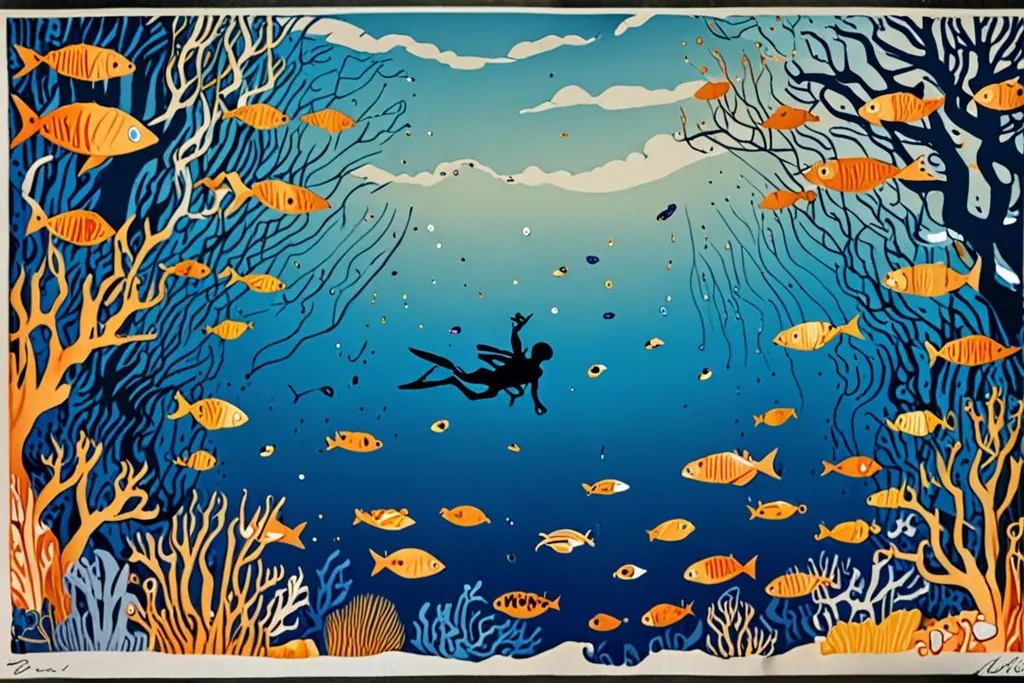
The Red Sea here is clear because there is no river running into it and almost no rain falling on it: the surrounding desert gives the water nothing to carry. Visibility of twenty to thirty metres is ordinary, coral grows close to the shore, and the drop-offs begin within swimming distance of the beach. That combination, a reef you can reach without a boat and desert light above it, is the entire product.
The famous sites are all within a day of the marina. Ras Mohammed is the headland at the southern tip where the Gulf of Suez meets the Gulf of Aqaba, protected as a national park, with walls of coral and a mangrove channel. The Strait of Tiran, to the east, is a line of four reefs that constrict the water between Sinai and Tiran Island. Further out lies the Thistlegorm, a wartime supply ship sunk in the 1940s with vehicles and cargo still in its holds, which is the wreck most divers come for.
The bays, and how to choose
Naama Bay is the centre: a sheltered curve with the hotel strip, the promenades, the restaurants and the shops, walkable and busy from dusk. Shark’s Bay, further north, is quieter and more resort-shaped, with a house reef and the reef shelf close to shore. Nabq sits at the northern end near a protected mangrove area, where the hotels are larger and the coral is a swim away. Ras Um Sid is on the headland below the lighthouse, with a steep reef and strong coral cover.
The trade-off is always the same. In Naama you can walk out to dinner; in the northern and southern bays you need the hotel for everything, which is either the point of the holiday or a trap, depending on whether you like the walk.
Getting there and getting around
Sharm El Sheikh International Airport is the second busiest in Egypt after Cairo, and it is close to the resort areas, so the transfer is short; the queues at the hotel gates and on the coast road in the evening can double it. Most package holidays include the transfer, and the taxi is a negotiation unless you book one in advance or use a ride app where it works.
Inside the resort areas, the hotel shuttle, a taxi or a rented car are the options. Distances look small on a map and rarely are, because the coast road winds around the bays. The seafront itself is the pleasant part, and walking it in the evening is what passes for a town centre.
When to go
The town has two seasons and they suit different people. From late spring to early autumn the air is hot and the sea is at its warmest, which makes early mornings and late afternoons the working part of the day; the middle hours belong to the water or to a shaded lounger. From November to March the air is mild, the sea holds its heat, and the place fills with people escaping a European winter, which is why hotels charge their highest rates over Christmas and New Year.
Wind is the thing that is not in the chart. Sinai is a windy coast, and a diving or snorkelling day can be cancelled because the boat cannot hold its position, or a beach day can be lost to blowing sand. It is worth planning a stay with more than one water day in it rather than assuming a single booking will go ahead.
Bạn sẽ dùng thời gian dưới nước như thế nào?
Bạn đã có chứng chỉ lặn chưa?
Bạn sẽ đi tàu ra biển ít nhất một lần chứ?
Xác tàu và vách đá
Người có chứng chỉ lặn có thể khám phá xác tàu Thistlegorm, một tàu tiếp vận thời chiến còn nguyên hàng hoá ở độ sâu khoảng 30 mét, cùng các rạn san hô tại Eo biển Tiran và các điểm sâu ở Ras Mohammed. Chuyến lặn bắt đầu từ sáng sớm, phù hợp khi trời nóng, hầu hết các đơn vị lặn đều tổ chức hai lượt với bữa trưa ở giữa.
Du thuyền và công viên quốc gia
Một chuyến tàu ra vịnh sẽ đưa bạn tới Ras Mohammed hoặc qua eo Tiran, nơi rạn san hô được bảo tồn và còn nguyên vẹn. Nếu muốn ngắm những rạn nổi tiếng, nên chọn đi tàu thay cho bãi biển và kiểm tra xem giá đã bao gồm vé vào công viên, thiết bị chưa.
Lặn ống thở từ bờ
Nhiều khách sạn có rạn sát bờ mà bạn chỉ cần bơi nhẹ là tới, đây là lựa chọn tiết kiệm nhất mà vẫn đáng giá và thường ít đông người. Hãy hỏi rõ rạn nằm phía nào của vịnh và lối xuống là dốc cát hay cầu thang qua mép đá để biết chiều bơi về dễ hay khó.
Trước chuyến bay đến Sinai
0/8
Sharm El Sheikh is easy, and that is its point: an airport with direct flights, a hotel with a reef outside it, and a sea you can get into in February. Come for the water rather than for Egypt, and the resort will do exactly what it promises.