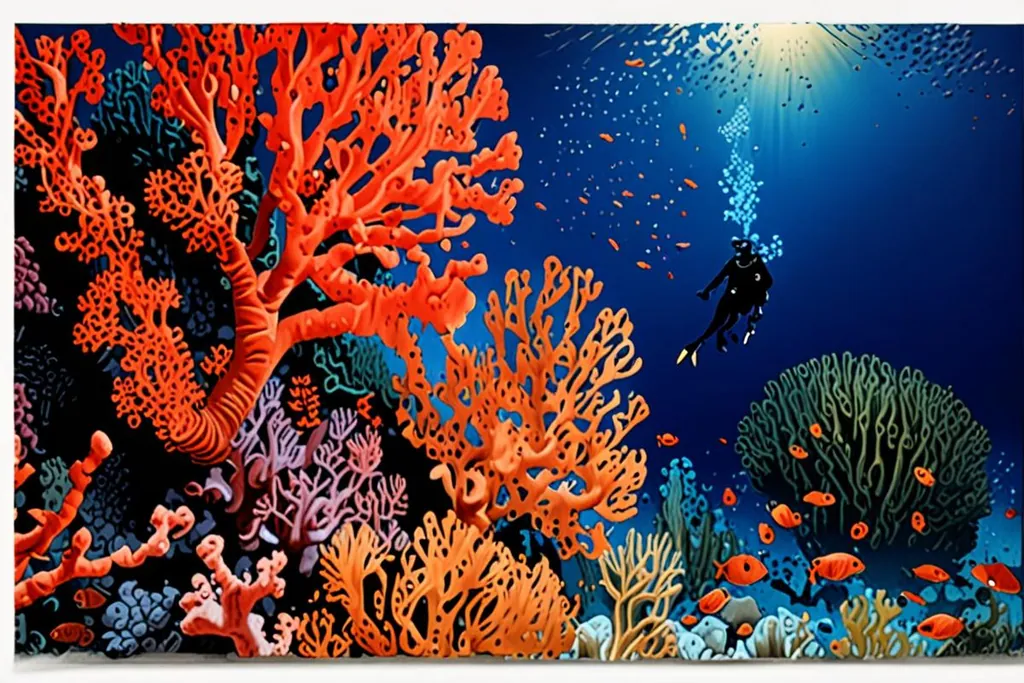
The Egyptian Red Sea is a diving destination because of a set of accidents of geography: it is warm, it is deep close to the shore, almost no river runs into it to cloud the water, and the reef begins within a short swim of the beach in places. Visibility commonly runs between twenty and thirty metres, the coral is shallow enough to snorkel over, and the coastline has enough sites that a diver can spend a fortnight moving between them.
It is also organised. Egypt has been taking recreational divers since the 1970s, agencies and dive centres are everywhere along the coast, and the standard is high enough that a nervous beginner is looked after and an experienced diver can be disappointed only by their own planning.
- Tầm nhìn điển hình
- 20 đến 30 m
- Mùa lặn
- Quanh năm
- Một khóa sơ cấp
- 3 đến 4 ngày
- Không bay 24 giờ sau khi lặn
- 24 giờ
Where the sites are
Three coasts, three characters. On the Sinai side, Sharm El Sheikh is the boat-diving base: Ras Mohammed at the southern tip, the reefs of the Strait of Tiran, and the Thistlegorm, a wartime supply ship sitting upright with its cargo still in the holds. Dahab, further north, is the shore-diving town: reefs at the end of the beach road, the Canyon and the Blue Hole, and the calmest place in the country to learn.
On the mainland, Hurghada is the biggest and the easiest to reach from the Nile, with the Giftun islands and a chain of reefs a short boat ride away. South of it, Safaga and Marsa Alam lead to the offshore marine parks: the Brothers, Daedalus and Elphinstone, which is where the liveaboards go, along with the dugong and the dolphins of the far southern bays.
Marsa Alam is the quietest of the bases and the one closest to the long southern reefs: Elphinstone, with its wall dropping far out of sight and its reef sharks, sits a short boat ride from the shore, and the bays to the south hold seagrass where dugongs graze and dolphins pass through. Further still, the Fury Shoals and the reefs off St John’s are almost exclusively liveaboard territory, which is why the week-long boats run south in the winter and north to the wrecks in the summer.
When to go
Diving runs all year, and the season you want depends on what you want: the clearest water is generally in spring and autumn, the warmest in late summer, and the least expensive in the middle of the southern summer when the air is punishing and the hotels are quiet. Winter in the north of the Red Sea is cooler than people expect at depth, which means a proper wetsuit rather than a rash vest, and it is why the liveaboard fleet moves south for the winter.
Learning, and the ladder of levels
An open water course takes three or four days, starts in shallow water, and ends with a licence that lets you dive to eighteen metres with a buddy anywhere. Almost every resort has several schools, which keeps prices down and makes it easy to compare teaching, and the shore-entry sites at Dahab and Hurghada are the friendliest places to learn in the region.
From there the ladder is straightforward: advanced certification for the deeper sites and the wreck, then specialities for the things you find you like, then technical training if the deep walls and the arch at the Blue Hole appeal. That last step is where divers get into trouble, because the sites look achievable, so the advice is the one every honest instructor gives: train for it before you dive it, not after.
Ai phù hợp với mức nào
Lặn thử
Một buổi sáng, không cần bằng
Lặn thử cùng hướng dẫn viên từ bờ hoặc tàu, thường ở vùng nước nông đáy cát gần rạn. Đây là lựa chọn kinh tế nhất để bạn xem mình có thích môn này hay không; cả Dahab lẫn Hurghada đều thuận tiện vì xuống nước ngay bãi biển.
Sơ cấp (Open Water)
Ba bốn ngày và một chứng chỉ
Khóa nền tảng, học vài ngày với các buổi luyện tập kỹ năng cơ bản cùng lặn biển thực tế sau đó. Sau khóa học, bạn có thể lặn cùng bạn đến 18 mét ở bất kỳ đâu, phù hợp hầu hết các rạn ven bờ và điểm lặn tàu dọc bờ Biển Đỏ.
Nâng cao
Lặn vách đá, điểm sâu và xác tàu
Khóa thứ hai này mở rộng đến các điểm lặn nổi bật: Thistlegorm với hàng hóa trong khoang, vách đá tại Ras Mohammed, các rạn eo biển Tiran. Cũng bao gồm kỹ năng định hướng, lặn sâu, hai điều liveaboard sẽ hỏi khi bạn đặt tàu.
Kỹ thuật
Vòm sâu và tường đá sâu
Vượt ngưỡng giải trí là một phân nhánh khác, cần thiết bị riêng. Cổng vòm Blue Hole tại Dahab là ví dụ ai cũng biết: bơi xuyên 55 mét ở độ sâu đã lấy mạng nhiều thợ lặn vượt quá khả năng. Nếu bạn muốn thử, hãy học bài bản cùng giáo viên chuyên về lĩnh vực này.
What it costs, and what is not included
Egyptian diving is inexpensive by European standards, which is why people take their courses here rather than at home. The price of a day generally covers the boat, the guide, tanks and weights, food and water; equipment hire, marine park fees, nitrox and the crew tip are usually extra, and the extras are what a budget forgets. Liveaboards cost far more and include almost everything for a week, including the fuel that makes the offshore parks reachable.
Ask what is included before you book, ask whether the boat has oxygen and a first aid kit aboard, and check the insurance. Travel policies frequently exclude diving below a stated depth, and a decompression accident is the most expensive thing that can happen on a holiday.
Nên chọn resort hay liveaboard?
Bạn đã từng lặn chưa?
Bạn đã có chứng chỉ nâng cao và sổ lặn đầy đủ chưa?
Bắt đầu ở Dahab hoặc Hurghada
Học lặn ở nơi xuống nước dễ, buổi sáng yên, cạnh tranh giữa các trung tâm giúp chất lượng giảng dạy tốt. Dahab có cộng đồng lớn và sát biển, Hurghada có nhiều đảo và trường lớn. Bốn ngày kỳ nghỉ, bạn sẽ có bằng dùng suốt đời.
Một tuần tại resort, đi lặn tàu
Sharm El Sheikh là tiêu biểu: khách sạn có rạn riêng, bến du thuyền, các điểm như Ras Mohammed, eo biển Tiran, Thistlegorm đều trong tầm. Hai ca lặn mỗi ngày, nghỉ trưa ngay trên tàu, về lại khách sạn vào chiều, cách lặn nhiều nhưng không cần ngủ trên tàu.
Một tuần ngoài khơi
Bạn muốn lặn Brothers, Daedalus, Elphinstone thì hãy đặt liveaboard từ Hurghada hoặc Marsa Alam: bảy ngày lặn, ba bốn ca/ngày, có thể lặn riêng với rạn trước khi tàu ngày tới. Đừng quên mang chứng chỉ, logbook, trung thực về khả năng, và kỳ vọng được trải nghiệm những gì mình mong muốn.
The rules that matter
The reef is the asset. It is protected in the marine parks, it is fragile, and a fin kick or a hand on the coral can undo decades of growth, so buoyancy control is the skill worth learning properly, and reef-safe sunscreen is not a marketing detail. The other rules are the personal ones: dive within your training, do the safety stop, never fly for twenty-four hours after your last dive, drink water, and cover up more than you think you need to.
Trước khi xuống nước
0/8
Diving is the reason a lot of people come to Egypt for the second time, and the Red Sea is the reason they come back for a third. Start on a shore reef, take the course, work up to the wreck and the walls, and leave the deep sites until you can do them well.