South Africa is a large country with several climates, and it sits in the southern hemisphere, which means its seasons run opposite to Europe’s. Those two facts are what make the question of when to go interesting: in the same month you can be rained on in Cape Town, sunburnt in Durban, and wearing a jacket at dawn in the bushveld.
So the useful way to choose is by activity rather than by month. Safari has a season, the Cape has a season, whales have a season, and the coast of KwaZulu-Natal has a season that is the opposite of the Cape’s. Work out which of those is the main event, and the dates follow.
- Khoảng thời gian dung hòa
- Thg 9 - Thg 10
- Mùa safari
- Thg 5 - Thg 9
- Mùa hè ở Cape
- Thg 11 - Thg 3
- Mùa cá voi
- Thg 6 - Thg 11
The safari season: May to September
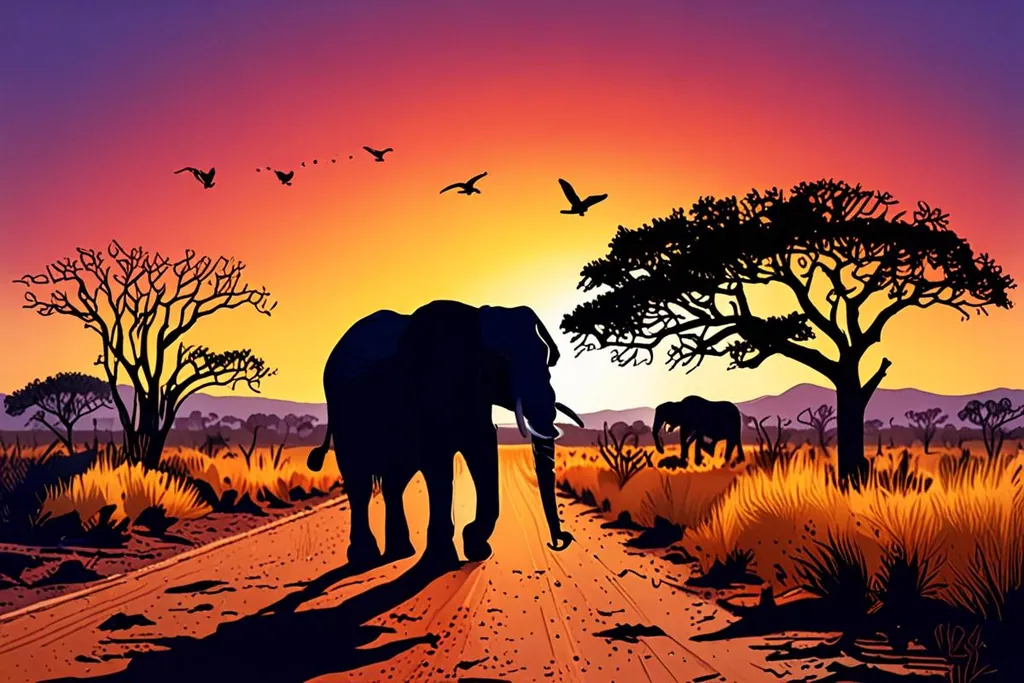
The dry winter is the season for game viewing, and the reasons are entirely practical: the bush thins out, the grass is short and pale, the animals gather at whatever water remains, and you can see through the vegetation to find them. It is also the season for cold mornings, with temperatures on an open vehicle in the Lowveld down to a few degrees at dawn, and pleasant days that make game drives comfortable rather than endurance.
Summer, from November to March, is green, wet and full of young animals and birds, and much harder to see through. It is also cheaper and quieter, which makes it the interesting choice for a second safari. The Eastern Cape reserves, being outside the Lowveld, are less affected by the extremes and work all year.
The Cape: November to March, or the shoulders
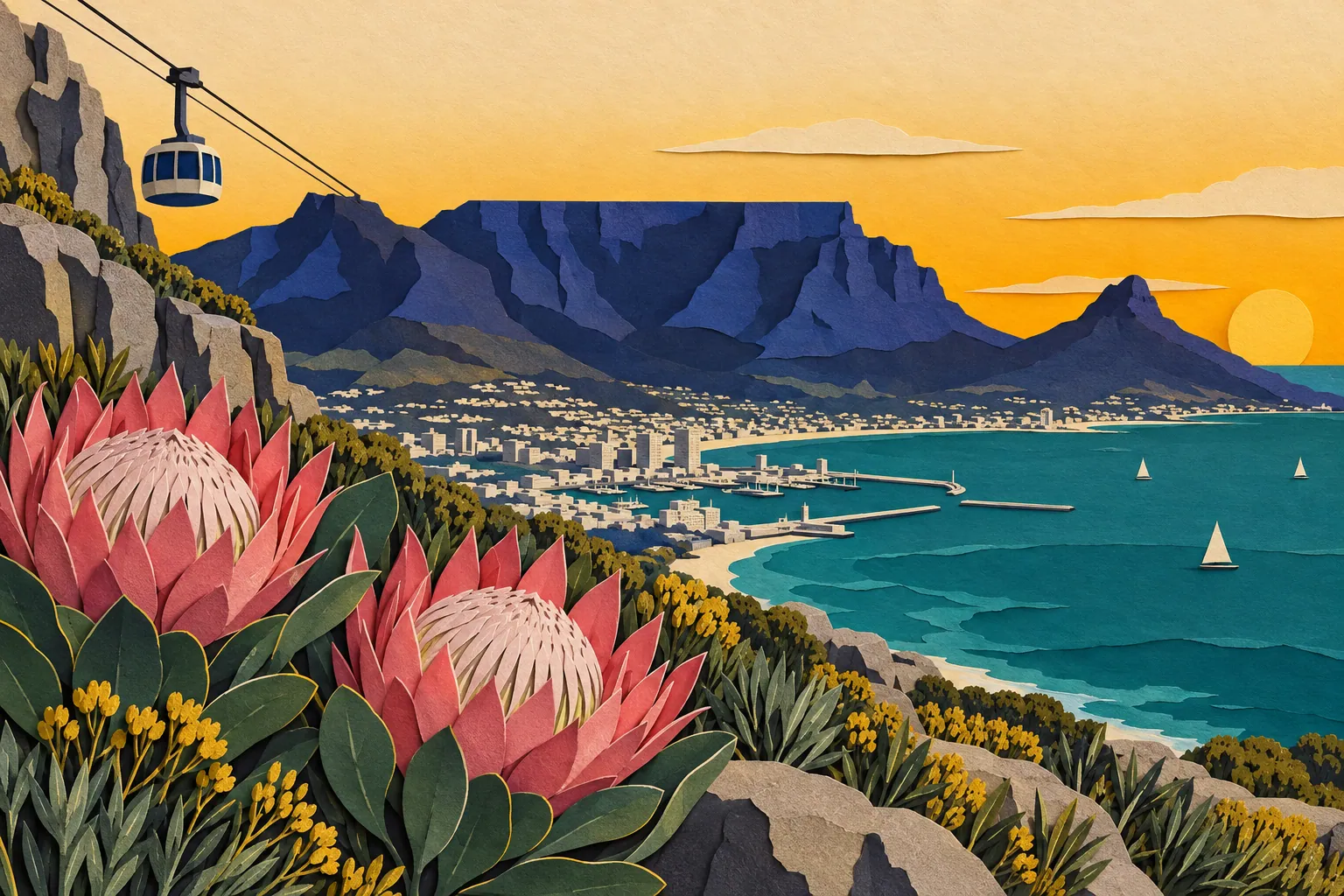
Cape Town’s summer is dry, hot and windy, and the wind is the variable that decides your days: the south easter closes the cableway and picks the side of the peninsula where the beach is bearable. If you want beaches, long evenings and the mountain, that is your window, and December and January are the busiest and most expensive weeks of the South African year.
The shoulders are better for everything else. Autumn, from March to May, and spring, from September to November, are the seasons for the Winelands, the Garden Route, the whale coast and walking, with mild days, quiet estates and prices that have not yet climbed. Winter, from June to August, is wet and green, cheap, and genuinely good for the interior life of the Cape: restaurants, museums, estate lunches and storms over the bay.
Whales, flowers and the other seasons
Two natural events are worth planning around. The southern right whales arrive off the Cape coast from about June and stay until about November, calving in the bays, which is why Hermanus exists as a tourist town at all; the peak is September and October. And the Namaqualand wildflowers, in the arid north west of the country, come up after the winter rains in August and September, turning a semi-desert into a carpet for a few weeks.
Then there is Durban, where the seasons run to a different logic: the subtropical coast is hot and wet in summer and mild and dry in winter, which makes the KwaZulu-Natal coast the answer for a beach holiday in June or July.
Chuyến đi thật sự có mục đích gì?
Mục tiêu chính là safari?
Bạn đi vào kỳ nghỉ tháng 6?
Tháng 5 đến tháng 9, ở bushveld
Mùa khô là mùa safari: cây thưa, cỏ ngắn, động vật tập trung quanh nước và dễ gặp thú săn mồi hơn. Mang đồ ấm cho sáng sớm lạnh, trưa dễ chịu chứ không quá oi. Các khu bảo tồn Eastern Cape khí hậu dịu hơn, xanh hơn và phù hợp quanh năm hơn vùng Lowveld.
Kỳ nghỉ trường, đã đặt từ lâu
Trường học Nam Phi nghỉ cuối tháng 6 đến đầu tháng 7, bushveld kín chỗ và giá tăng. Nếu bạn chỉ có các tuần này, nên đặt chỗ và vé máy bay thật sớm, chấp nhận đông người ở bãi nước, và cân nhắc các khu bảo tồn không có muỗi sốt rét, vì thích hợp với nhu cầu đông khách hơn các khu nghỉ Kruger.
Cape Town mùa hè, hoặc biển Durban mùa đông
Mùa hè từ tháng 11 đến tháng 3 là mùa nhộn nhịp ở Cape: ngày dài, khí hậu khô ráo, núi thường trong, và gió mạnh quyết định bạn nên chọn bãi biển nào. Ngược lại, Durban và bờ biển KwaZulu-Natal lại dễ chịu nhất vào các tháng mùa đông, rất phù hợp cho chuyến đi biển ngoài mùa cao điểm tháng 12.
The calendar that decides availability
South African school holidays matter more than the weather when it comes to finding a bed. The long break runs from early December into the middle of January, and that is when the country goes to the coast: the Garden Route, the Cape, the KwaZulu-Natal beaches and the bushveld all fill at once, and prices double or worse in the most popular places. If you want to be on the Garden Route in that window, book accommodation by the previous winter.
Easter is the second peak, with a four-day weekend that fills the Winelands and the Drakensberg. Then there is the winter break at the end of June and the start of July, which empties the cities into the safari camps: if your trip is a school-holiday safari, book the camps the moment the dates are fixed, and expect the waterholes to have company.
The rest of the year is quieter than European visitors expect. May, late July, August, September and October are all comfortable, and November sits just before the December rush. Those weeks are the ones where you can decide late, drive without booking every night, and still get a table.
The one-week version
If you have a single week, do not try to do the country. Pick two anchors and connect them: Cape Town and the Winelands, which is a city break with vines; Cape Town and the Garden Route, which is a drive; the Kruger lowveld and Johannesburg, which is a safari with a city stopover; or Durban and the Drakensberg, which is a beach with mountains behind it. Each of those fits seven days with room for a bad-weather day, and each can be done in any season with a different balance of indoor and outdoor time.
Holidays, crowds and the practical timing
South African school holidays shape availability more than the weather does. December and January empty the cities onto the coasts and fill every guesthouse between Cape Town and Durban. Easter is busy. The late June and early July break fills the bushveld and the safari camps, and prices rise accordingly. If you have any flexibility, travel in the weeks either side of those periods and you will find the same country with fewer people in it.
Trước khi đặt ngày đi
0/8
South Africa does not have a bad season, it has several good ones in different places. Decide whether the trip is animals, city, coast or wine, then take the month that suits it, and if you can only choose one window for a trip that does both halves of the country, take September or October.