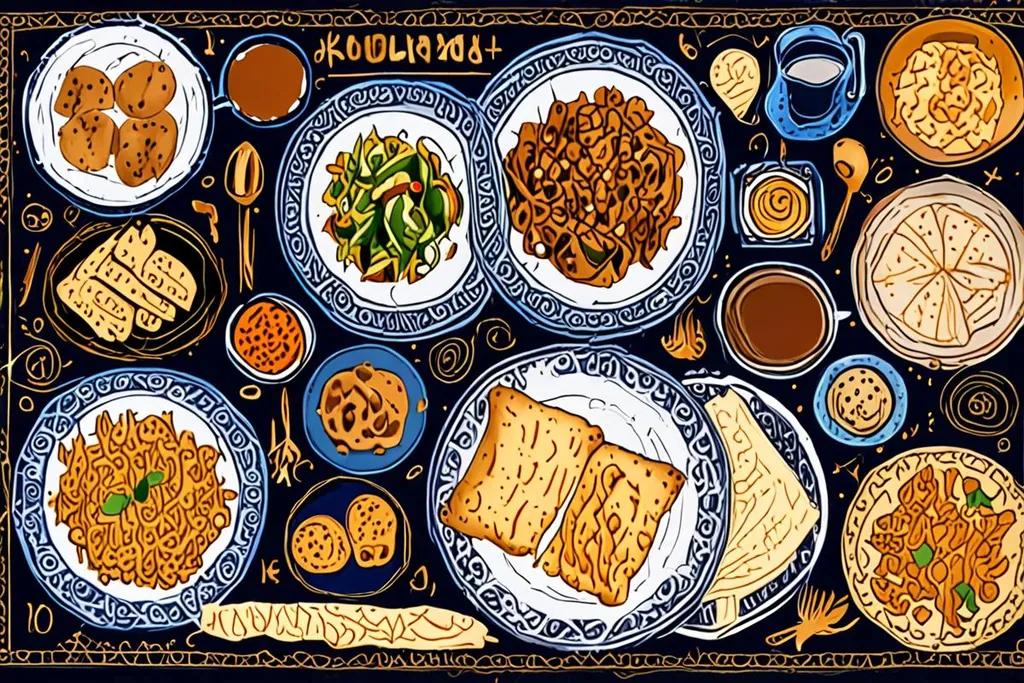
Egyptian food is the cooking of a river valley: beans, lentils, rice, vegetables, onions, garlic and bread, with meat appearing when the household can afford it. That is not a limitation but a style, and it has produced two dishes that between them cover most meals of the day. Ful medames, fava beans cooked down and dressed with oil, lemon and cumin, is breakfast. Koshary, a bowl of rice, lentils, macaroni and chickpeas under tomato sauce, garlic vinegar and fried onions, is lunch, dinner and everything in between.
The vegetarian bias in Egyptian cooking is old and structural. Legumes and vegetables were what the land produced in quantity, and the Coptic fasting calendar, which keeps a large part of the population off animal products for long stretches of the year, kept a meatless repertoire alive and refined. Add cheese, which Egypt has been making since the First Dynasty, and bread, and you have a cuisine that feeds people well for very little money.
- Cheesemaking in Egypt since
- First Dynasty
- The breakfast staple
- Ful medames
- Lentils, rice and pasta
- Koshary
- The traditional table
- Mostly vegetarian
Breakfast, and the rest of the day
Breakfast is the meal Egypt does with the most consistency: ful, bread, a hard-boiled egg, white cheese with tomato, sometimes falafel, and tea. It is served from carts and small shops from early morning, costs very little, and will keep you going until the afternoon better than a hotel buffet.
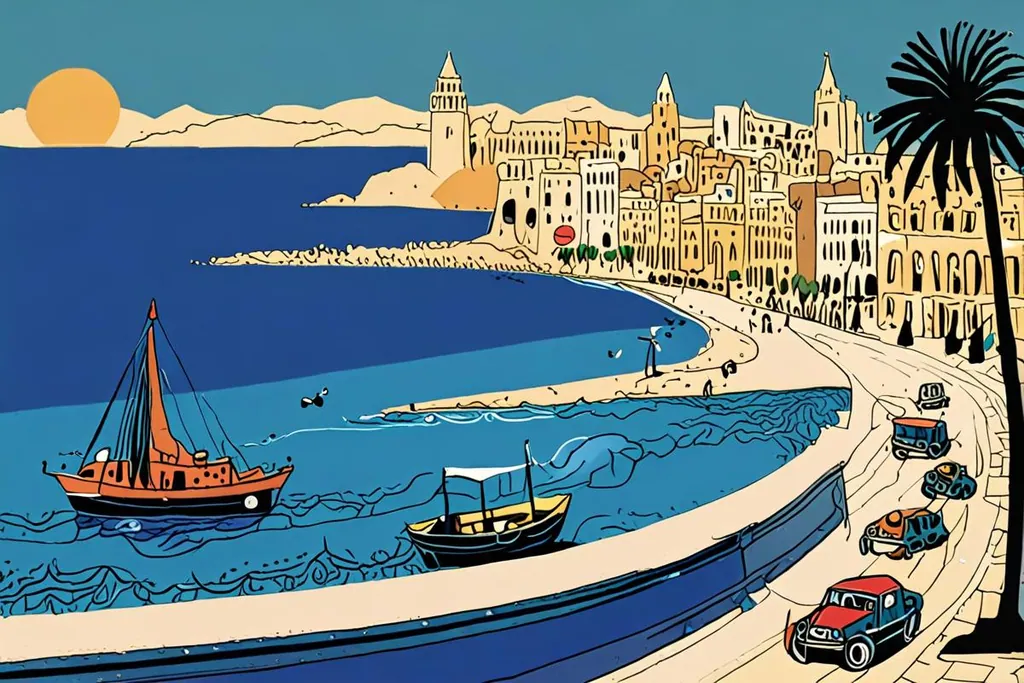
Lunch and dinner divide along the same lines. Koshary shops sell one thing, in two sizes, and do it perfectly. Grill houses serve kebab, kofta and chicken with rice, bread and salads. Molokhiyya, a green stew of jute leaves, is the dish that marks a proper Egyptian table, and you should try it at least once even if you decide afterwards that you do not want it twice. On the coast, and especially in Alexandria, Suez and Port Said, the meal to have is fish: chosen from the ice, grilled, and served with bread and tahini.
Where to eat, and what it costs
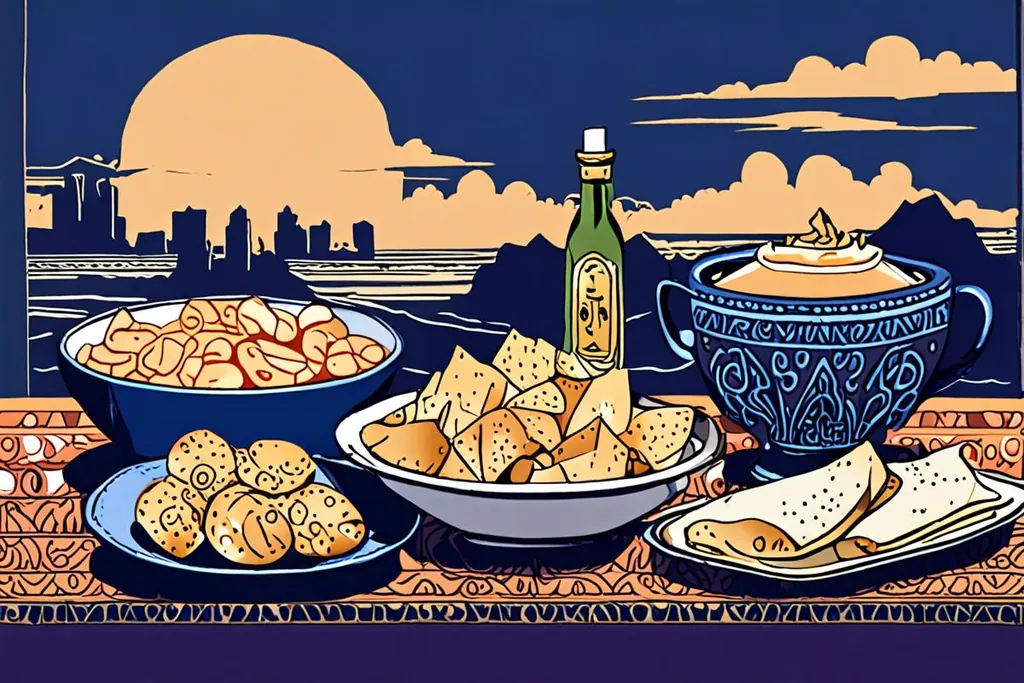
Street and shop eating is where Egyptian food is at its most itself, and it is cheap enough that the risk of a bad meal costs about the same as a coffee at home. The rule for choosing is the one that works everywhere: eat where the locals are queueing, and eat what they are eating.
Restaurants, from the plain to the expensive, add a service charge and a tax that can together come to a fifth of the bill, so read it before you calculate a tip. On the coast, fish is sold by weight and the price varies with the catch, which is why the one rule of Egyptian seafood is to agree the price per kilo out loud before the fish goes on the grill.
What to order, by name
A short vocabulary gets you a long way, because most of these are sold from shops that make one thing. Ful medames is breakfast. Taameya is the Egyptian falafel, made with fava beans rather than chickpeas, lighter and greener than the Levantine version. Koshary is the bowl of rice, lentils, pasta and onions. Molokhiyya is the green stew, usually with chicken or rabbit, which you eat over rice with bread. Hawawshi is spiced minced meat baked inside flatbread. Fiteer is a flaky pastry, sweet or savoury, sold from shops with a window onto the street. Hamam mahshi is stuffed pigeon, a dish for a celebration. And for dessert, om ali, bread pudding with milk, nuts and raisins, which is a great deal better than it sounds.
Two words are worth learning. Eish means bread, and it is also the word for life, which tells you something about the place it holds at an Egyptian table. And shukran means thank you, which is what you say when the man with the tray of tea refuses your money for the fourth time.
Water, ice and the local stomach
Tap water is not for drinking, and most visitors default to bottled or filtered water for everything, including brushing teeth if they are sensitive. Ice in hotels and modern restaurants is normally made from purified water; ice from a street cart is a different calculation. Salad and fruit are safe in restaurants that wash with treated water and riskier from a cart, because the washing water matters as much as the produce.
None of this needs to be frightening. Travellers’ stomach trouble is common and usually brief, and carrying rehydration sachets costs nothing and saves a day. Eat hot food, peel your own fruit, wash your hands, and be a little more careful in the first two days than in the second week.
Drink, and the calendar
Tea in Egypt comes in a small glass, black and very sweet, and it is the social drink of the country: offices, shops, taxis and building sites all run on it. Egyptian coffee is strong and often scented with cardamom, served in a small cup. Then there are the juices, which are the great pleasure of an Egyptian summer: sugarcane pressed in front of you, mango, strawberry, orange, and karkade, the deep red hibiscus infusion served hot or iced.
Alcohol is available in hotels and licensed restaurants, is taxed heavily, and is not part of an ordinary Egyptian meal. Ramadan changes the rhythm of the whole country rather than the menu: many restaurants close by day, and the streets fill after sunset for iftar, which is the one month when eating out late is the national activity.
How adventurous will you be?
Are you willing to eat standing up, off a cart?
Do you want fish, grilled and sold by weight?
Eat from the carts and the koshary shops
This is the least expensive and often the most interesting eating in Egypt: ful in the morning with bread, falafel from a shop with a queue, koshary in a bowl the size of your head, and a glass of sugarcane juice pressed in front of you. Pick the stall with the longest local queue and eat what everybody else is eating.
Grilled fish by the water
Alexandria and the Red Sea coast are seafood towns, and the drill is the same everywhere: choose the fish from the ice, ask the price per kilo before it goes on the grill, and agree it out loud. It comes with bread, salad, tahini and rice, and it is the meal people remember from the coast.
The grill house, and the proper sit-down meal
Kebab, kofta and grilled chicken with rice, bread, salads and tahini, in a restaurant with a table and a waiter: the standard Egyptian evening meal, and the safest choice if you are travelling with children or a nervous stomach. Add molokhiyya, the green jute leaf stew, which is the dish an Egyptian will ask whether you have tried.
Before you eat
0/8
Egyptian food is not the reason most people come to the country, and it should be one of the things they remember: a bowl of koshary for the price of a bus ticket, ful and bread at seven in the morning, fish on the corniche at sunset. Eat where the queue is, ask what it costs before you order, and drink the water out of a bottle.