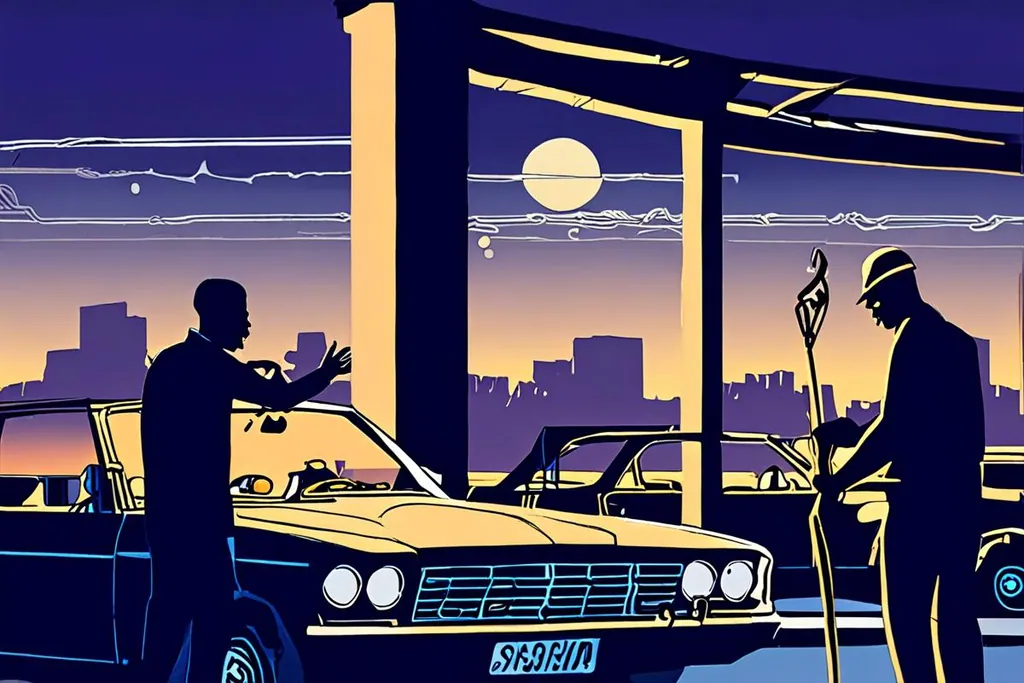
Tipping in South Africa is one of the easier versions of the custom to get right. There is a number that everybody uses, ten per cent, and there is a set of smaller cash transactions that are part of ordinary life rather than a negotiation. What catches visitors out is not the amount but the range: the car guard, the petrol attendant, the porter and the housekeeper all expect something, and none of them is in a position to ask.
It is worth saying at the start that this is not a country where you are hustled. Prices are prices, the taxi meter runs, and the tip is a tip. What you need is a supply of coins and small notes, and a rough idea of who gets what.
- In restaurants
- 10%
- For a car guard
- A few rand
- For a hotel porter
- Per bag
- For a safari guide and tracker
- Per day
Restaurants, and the ten per cent
Ten per cent on the total, in cash, left on the table. If the bill already includes a service charge, which happens for larger tables and at some restaurants as standard, you are not obliged to tip twice, though plenty of people leave a small amount anyway because the charge does not always reach the staff in full.
Pay attention to how you pay. Adding a tip to a card payment works at most places and is not always passed on; leaving the cash is more reliable. And if you are paying by card and want the tip to be a note in the waiter’s hand rather than a line on a slip, say so, because South African waiting staff will understand exactly what you mean.
The people you will meet outside a restaurant
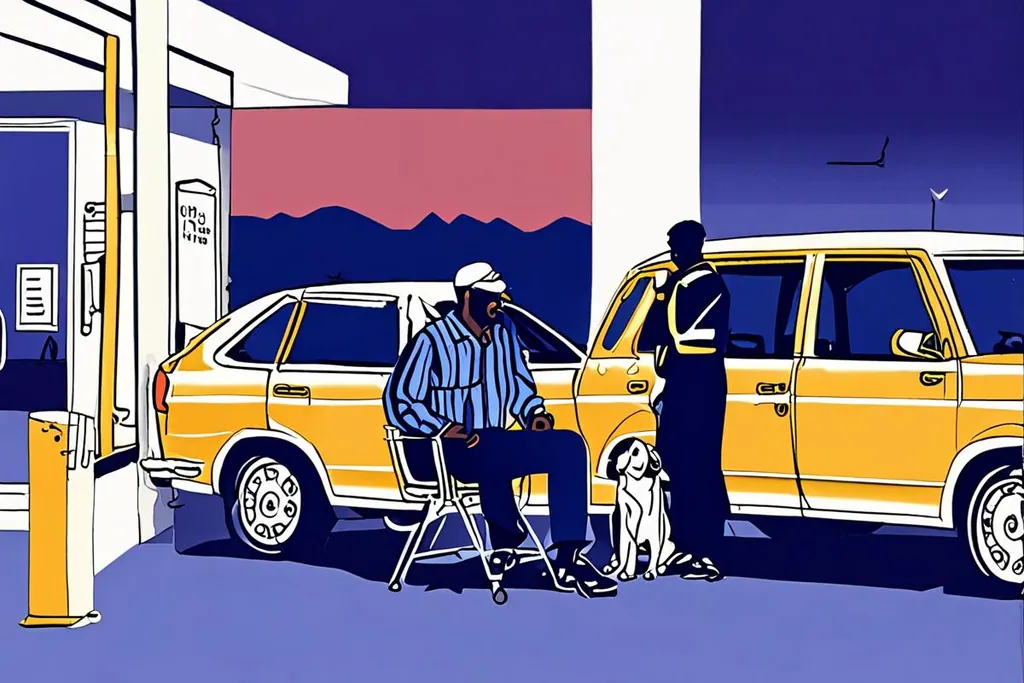
The car guard is the local institution that visitors ask about first. Parking in a car park or on a street, you will often find somebody in a reflective vest who watches the cars, and who expects a few rand when you leave. They are not employed by anybody, they are usually working a pitch they have held for years, and they are a genuine deterrent in a country where break-ins are a fact of life. Pay them and say thank you.
Petrol stations work the same way. Full service is the default: an attendant fills the tank, cleans the windscreen, checks the oil if you ask, and accepts payment by card at the pump or at the kiosk inside. A few rand is the tip, in cash, and it is part of how the system functions.
Then the ordinary ones. A porter gets something per bag. Housekeeping gets a small amount each day rather than a lump sum at the end of the stay, because the person cleaning your room may not be the same person on Friday. A ride-hailing fare gets rounded up. A spa therapist gets the same ten per cent as a restaurant.
Guides, drivers and safari teams
Touring here is a service economy with real expertise in it, and tipping reflects that. A city guide or a driver for a half day is usually given an amount per group rather than a percentage, more for a full day, and the same is true of a private driver on a wine route. Township tours and cultural tours usually tell you what is expected, and it is a fair question to ask.
On safari the convention is a daily amount per guest, collected at the end of the stay and split between the ranger, the tracker and the camp staff. Ask at the lodge what is appropriate, because it varies with the level of the property, and hand it over once rather than drive by drive. The tracker is the person who found the leopard, and the tip is the mechanism by which everybody in the vehicle knows it.
Who, and how much?
Are you at a restaurant?
Is a service charge already on the bill?
Ten per cent, in cash
The standard answer, calculated on the total and left on the table rather than added to the card. If you are paying by card, ask the waiter to add it or leave the cash separately; the difference between the two is whether the tip reaches the person who served you.
Already charged: a little extra
If the service charge is on the bill, you are not obliged to tip twice. Most people leave a small extra in cash anyway, because the charge is not always passed on in full, and because the waiter who looked after you has been standing up for eight hours.
The smaller tips, in coins
A few rand for the car guard who watched your car, a few rand for the attendant who filled the tank and cleaned the windscreen, something per bag for the porter, a small amount per day for housekeeping, and a round-up on a ride-hailing fare. Keep coins and small notes in the car and in a pocket, because these are the transactions that happen without warning.
Why the amounts are what they are
Hospitality wages in South Africa are low, and the tip is a real part of the income rather than a rounding-up: a waiter, a car guard, a petrol attendant and a housekeeper are all working for an amount that assumes the tips arrive. That is the honest explanation for why the convention is ten per cent rather than “whatever you feel like”, and why visitors who leave nothing are noticed.
It is also why cash matters. A tip added to a card machine sits in the business rather than the pocket, at least until somebody does the paperwork, and a note handed over does not. Keep a small stock of notes in a wallet and coins in the car, because the transactions that need them arrive without warning: a car park, a filling station, a windscreen washed at a red light by somebody who asked first.
The one place not to tip
Nothing goes to anybody in uniform, and nothing goes to anybody who presents themselves as an official. This is not a country where a payment at a roadblock or a police stop is a normal transaction, and offering one turns a routine conversation into a problem. If somebody is asking for money while claiming authority, that is a matter for the police, not your wallet.
Before the day starts
0/8
Tipping in South Africa is ten per cent in a restaurant and a few rand everywhere else, in cash, with a supply of coins in the car. The car guard is not a scam, the petrol attendant is doing a job you would otherwise do yourself, and the safari team gets paid by the day rather than by the bill.