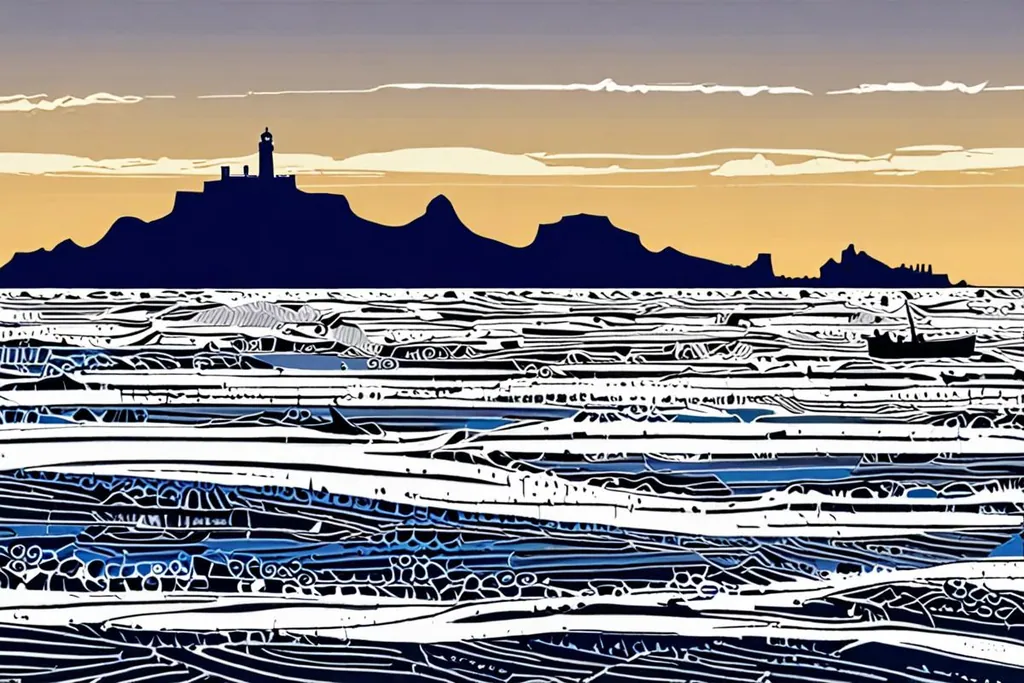
Robben Island is a flat oval of about five square kilometres in Table Bay, roughly seven kilometres off Bloubergstrand to the north of Cape Town, and only a few metres above the sea. It was created by an ancient erosion event, which is the geological way of saying it is a low, dry, treeless rock with a lighthouse on it, and for several hundred years that was exactly what made it useful: somewhere to put people you did not want on the mainland.
Its last and most famous use was as a prison for opponents of apartheid, which it was until 1996. Nelson Mandela spent eighteen of his twenty-seven years there, breaking limestone in the quarry, and two of the presidents who followed him had also been held on the island. Today it is a museum, a nature reserve and one of the most visited sites in the country.
- Khoảng cách từ đất liền (Bloubergstrand)
- 6.9 km
- Diện tích đảo
- 5 km²
- Thời gian Mandela bị giam tại đây
- 18 năm
- Thời lượng toàn bộ tour
- 3.5 giờ
The tour, and how it works
The tours leave from the Nelson Mandela Gateway at the V&A Waterfront, three times a day, and take about three and a half hours in total. The ferry across is part of the experience: the bay can be rough, it can be cold, and on a windy day it does not sail at all, which is why the museum asks you to check before travelling and why nobody sensible makes this the only plan for a day.
On the island the visit is in two parts. A bus takes you around the sites: the leper graveyard from the island’s earlier life as a place of isolation, the lime quarry where the prisoners worked, Robert Sobukwe’s house, the Bluestone quarry, and the army and navy bunkers from the Second World War. Then you walk through the maximum security prison with a guide who was imprisoned there, and the tour ends at Mandela’s cell, which is small, plain and exactly as advertised.
Why the guides matter
The thing that makes Robben Island different from every other prison museum is that the people explaining it were inside it. The accounts of the quarry, the rations, the letters and the small daily negotiations of prison life are first-hand, and they are delivered without much drama, which is more effective than any exhibition panel.
That is also why this is not a light afternoon. Most people come off the ferry quiet, and it is worth planning the rest of the day accordingly: a walk along the Waterfront, a coffee somewhere, and no museum immediately afterwards.
The crossing, and the bay
The ferry is a half hour each way in good conditions, and it is part of the visit rather than a transfer. Table Bay is a working bay with a long history of wrecks, which is why there is a lighthouse on the island at all, and it can be rough: the boats do not sail in high wind or heavy swell, and the museum cancels rather than braves it.
If the weather is kind, the view is the reward. You leave the Waterfront with the city and the mountain behind you, and Robben Island grows from a smudge on the horizon into a flat grey-green plate with a lighthouse at one end and the prison buildings strung along the shore. Coming back, Table Mountain fills the whole horizon, which is the view every prisoner had on the rare occasions they were allowed to see the mainland.
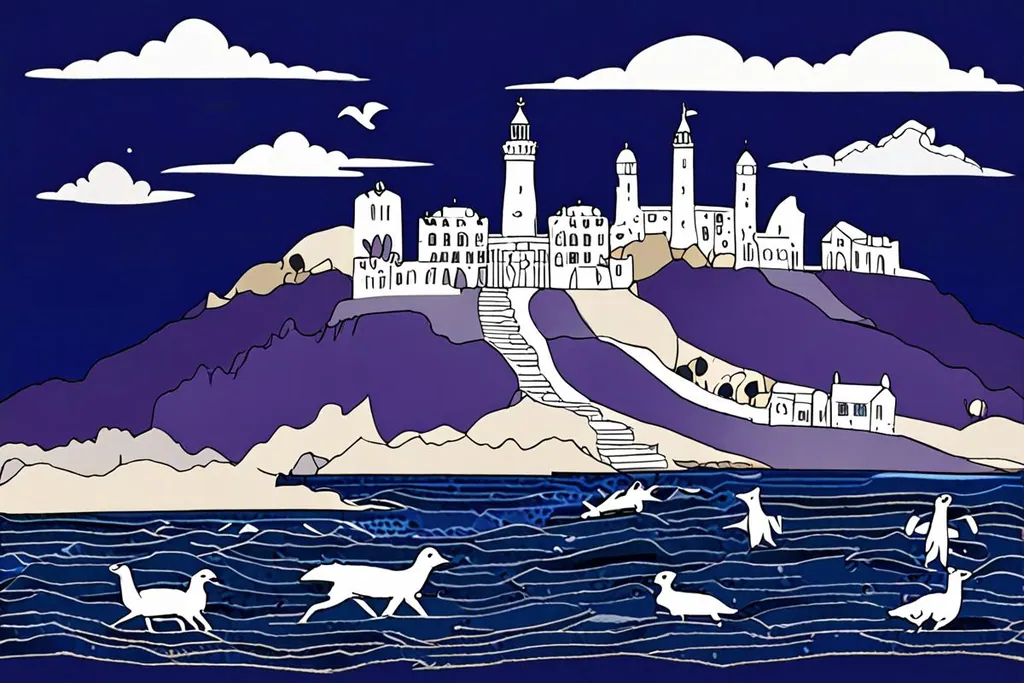
Seals give the island its name, Dutch for seal, and there are colonies on the rocks, along with African penguins that nest in the old walls and the ruins, and cormorants and terns on the low cliffs. The island is a nature reserve run alongside the museum, and the conservation staff live on it.
The island’s other lives
Robben Island was a leper colony, a whaling station, a defence post and a lighthouse before it was an apartheid prison, and its name comes from the Dutch word for seals. It is now also a nature reserve, with a large colony of African penguins, seabirds and seals, and the museum runs the conservation alongside the history.
The crossing is worth something in itself. Coming back towards the city with Table Mountain rising over the bay gives you one of the great views of Cape Town, and it is the one you get by accident on the way home.
Một hòn đảo, nhiều cuộc đời
Thế kỷ 17
Ngay từ đầu đã là nơi giam giữ
Tên đảo xuất phát từ tiếng Hà Lan cổ có nghĩa là hải cẩu, và nơi này được xây dựng thành pháo đài, nơi giam giữ từ cuối thế kỷ 17. Đảo phẳng, nhỏ, cách bờ sáu kilomet nên tự nhiên là nơi biệt giam tù nhân, trước cả khi dùng cho mục đích chính trị.
Thế kỷ 19
Khu điều trị bệnh phong và hải đăng
Đảo từng là nơi điều trị cách ly cho người bệnh phong và người bệnh, khu nghĩa trang còn lại là một trong các điểm dừng trên tour. Hải đăng được xây để bảo vệ tàu thuyền vào Table Bay, nơi luôn là vùng nước nguy hiểm thay vì nơi trú ẩn.
Thế kỷ 20
Nhà tù thời kỳ apartheid
Từ thập niên 1960, đảo là nơi giam giữ các tù nhân chính trị, trong đó có Nelson Mandela, người đã bị giam ở đây 18 trong 27 năm, lao động khai thác đá vôi. Hai tổng thống Nam Phi sau này, Kgalema Motlanthe và Jacob Zuma, cũng từng bị giam tại đây, không phải là sự trùng hợp trong chính trường Nam Phi.
1996
Đóng cửa nhà tù
Robben Island ngừng hoạt động như nhà tù vào năm 1996, sau hai năm kể từ bầu cử dân chủ đầu tiên. Công trình nhà tù an ninh tối đa, mỏ đá và làng cư dân vẫn còn nguyên. Đảo được ghi danh di sản thế giới vì giá trị tượng trưng, không phải vì cảnh quan.
Hiện nay
Bảo tàng và chuyến phà
Hiện đảo được vận hành như bảo tàng, các tour xuất phát ba lần mỗi ngày từ Waterfront, phần lớn hướng dẫn viên, nhất là ở khu nhà tù, là cựu tù nhân. Đồng thời đây cũng là khu bảo tồn, có chim cánh cụt, chim biển, hải cẩu và cảnh ra vịnh Cape Town mà bạn sẽ nhớ.
Practicalities
Book early and book direct. Take the earliest departure you can get, because the wind builds through the day and afternoon sailings are the ones that get cancelled. Wear something windproof even in summer, take water and sun protection, and accept that you will spend most of the three and a half hours standing, sitting on a bus or walking on rough ground.
If your trip is cancelled, the museum refunds or rebooks, and the sensible response is to take the next available slot rather than rearranging the rest of the holiday around it. And if you have time for only one historical site in Cape Town, this is the one to choose: it explains the country, the city and the politics in a way that no building on the mainland quite manages.
Trước khi tới Waterfront
0/8
Robben Island is a ferry, a bus and a walk through a prison, and it is the most important three and a half hours in Cape Town. Book it the day you book your flights, keep the morning free for it, and leave the afternoon empty on purpose.