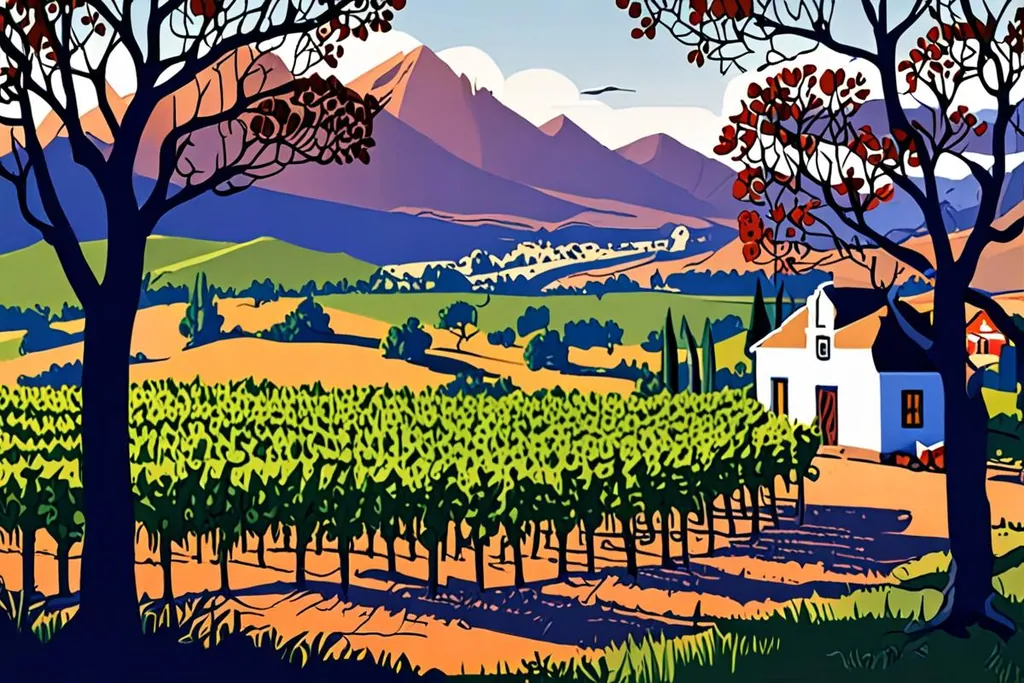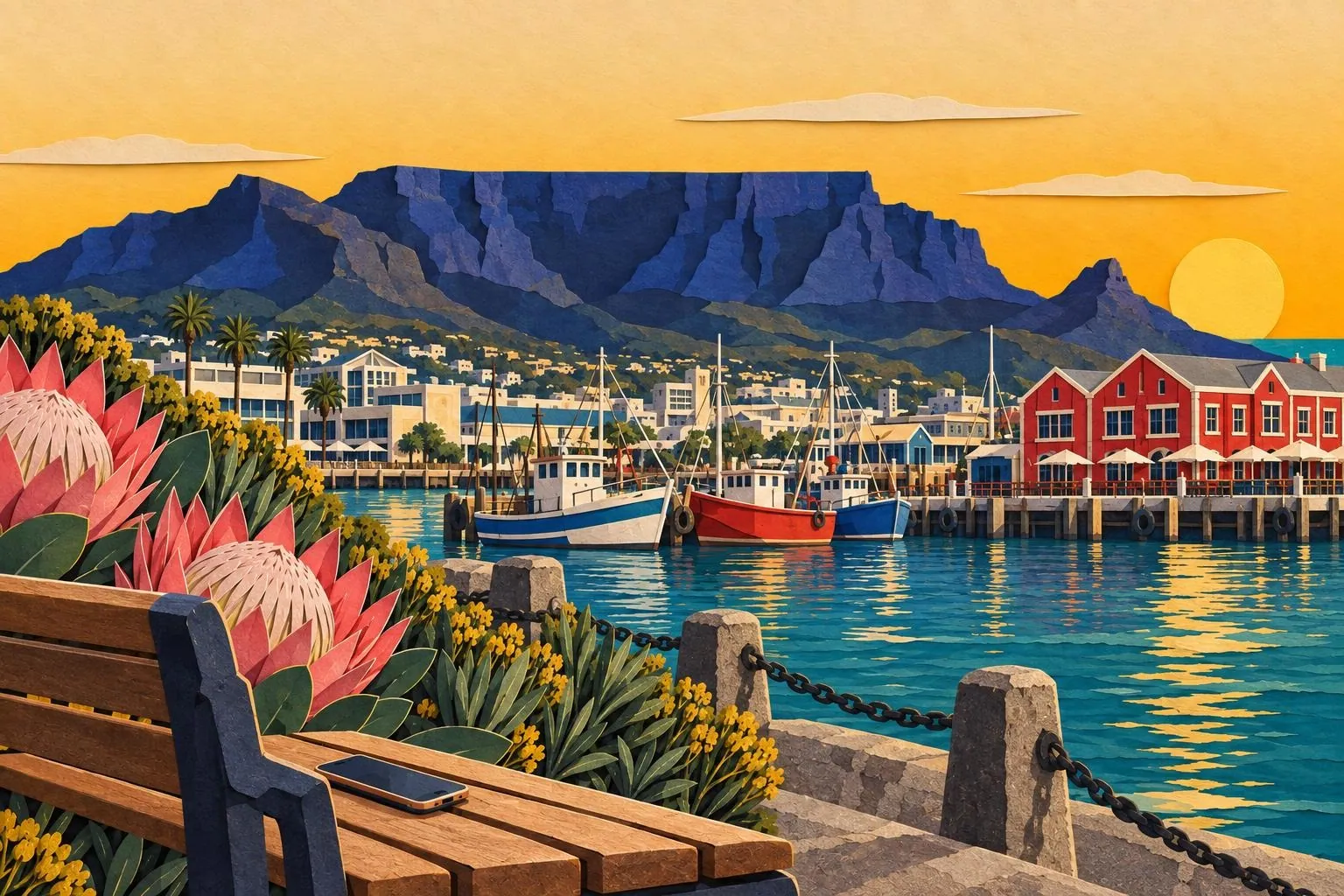
South Africa has been making wine since 1659, when Jan van Riebeeck, the first governor of the Cape settlement, produced the first bottle in Cape Town. Almost all of the country’s wine still comes from one province, the Western Cape, and most of it from within an hour or two of the city: Constantia in the southern suburbs, Durbanville and Paarl to the north, Stellenbosch and Franschhoek to the east, and then the cooler districts of Elgin, Walker Bay and the Swartland further out.
What makes South African wine easy to buy and hard to summarise is the labelling. The Wine of Origin system, introduced in 1973, certifies where a wine’s grapes were grown, in a hierarchy of regions, districts and wards, so a bottle can tell you exactly which valley it came from. It is one of the better labelling systems in the world, and it means you can learn what you like by district rather than by brand.
- Chai vang Cape đầu tiên
- 1659
- Ra đời hệ thống Wine of Origin
- 1973
- Vùng trong hệ thống
- Khoảng 60
- Năm lai tạo Pinotage
- 1925
The grapes to know
Chenin Blanc is the workhorse and the triumph: the most widely planted white grape in the country, capable of everything from a cheap quaffing white to wine that ages for a decade. If you taste one thing in the Cape, taste a serious old-vine Chenin.
Sauvignon Blanc and Chardonnay are at their strongest in the cooler coastal districts, Elgin and Hemel-en-Aarde especially, and Pinot Noir from the same places has become the country’s quiet success. Cabernet Sauvignon and Syrah are the serious reds of Stellenbosch, Paarl and the Swartland, and Syrah has a strong claim to being the variety that suits the Cape’s climate most completely.
Then Pinotage, bred here in 1925 from Pinot Noir and Cinsaut and planted almost nowhere else. It is soft, smoky and sweet when made simply, serious and structured when made well, and it divides every tasting room you walk into. Try one glass, form an opinion, and do not let it stand for the whole country.
The regions, briefly
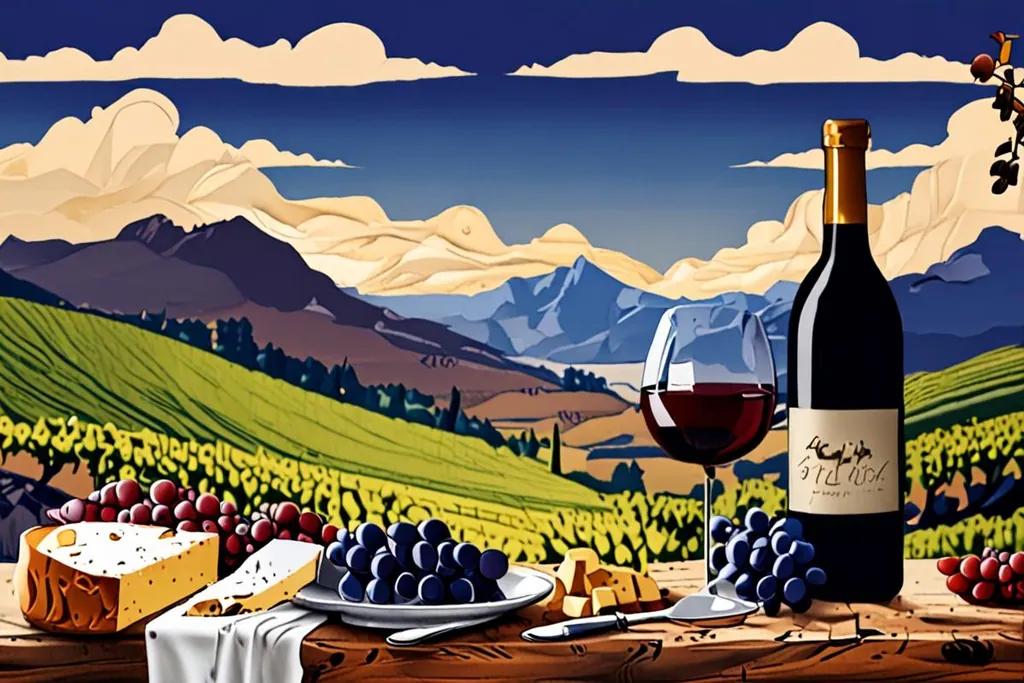
Stellenbosch is the centre: the largest concentration of estates, the university that trained the winemakers, and the widest range of styles. Paarl and Franschhoek sit either side of it, the second with the better restaurant strip. Constantia, inside Cape Town, is the historic valley. Robertson and the Breede River inland give value and good Chardonnay. Elgin, Walker Bay and Hemel-en-Aarde are the cool south eastern districts. And the Swartland, north of Cape Town, is the newer country of old vines, wild fermentation and Mediterranean varieties.
Tasting rooms, and how the day is shaped
A tasting room in the Cape is a shop, a bar and a small lecture at the same time. You are given a list, usually with six or eight wines on it, and a choice between a standard flight and a premium one; a member of staff pours, explains and answers questions, and the fee is charged per person and often discounted against any bottle you buy. Bigger estates run seated, hosted tastings with a sommelier for a higher fee, and those are worth reserving when you care about the cellar rather than the view.
Some practical notes from the tasting rooms themselves. The staff are used to people who are not driving and to people who are, so spitting is normal and spittoons are provided; nobody will be offended and nobody will be impressed if you swallow everything. Tasting rooms tend to close in the late afternoon, while the restaurants on the same estates run into the evening, which means the last hour is for food rather than for wine.
Ask about the vintage before you buy a case. Cape vintages vary more than the marketing suggests, and a wine you loved on a farm in March may be the same label and a different experience three years later, which is an argument for tasting before committing and for buying what you drank rather than what you remember.
Cap Classique deserves its own paragraph: the Cape’s bottle-fermented sparkling wine is made by the same method as champagne, from Chenin Blanc, Chardonnay and Pinot Noir, and costs a fraction of the equivalent French bottle. It is the most reliable bargain in the country and the thing to take home if you have room for only one case.
Lịch sử rượu vang Cape
1659
Chai đầu tiên
Jan van Riebeeck, người sáng lập và là thống đốc đầu tiên của Cape, đã làm ra chai rượu vang đầu tiên tại Cape Town, trồng những cây nho để phục vụ tàu thuyền Hà Lan. Constantia, vùng nằm phía nam thành phố, là nhà vườn đầu tiên nổi tiếng và rượu ngọt của nó đã xuất khẩu sang châu Âu thế kỷ 18.
1973
Wine of Origin
Hệ thống Wine of Origin xuất hiện, phân chia vùng trồng nho thành cấp vùng lớn, huyện và tiểu khu, và xác nhận nguồn nho ghi trên nhãn. Nhờ đó, các nhà làm rượu phân biệt sản phẩm theo địa danh thay vì chỉ bằng thương hiệu, làm cho nhãn ở Nam Phi cung cấp thông tin hữu ích hơn nhiều quốc gia khác.
1990s
Ngành mở cửa
Kết thúc giai đoạn hợp tác tiếp thị và Nam Phi quay lại thị trường quốc tế thay đổi toàn bộ ngành: có đầu tư mới, diện tích trồng mới, xuất khẩu quy mô lớn và sự xuất hiện của nhiều nhà vườn mới. Những chai rượu tràn ngập siêu thị khắp thế giới từ 2000 là kết quả ban đầu, chất lượng sản phẩm đến sau đó.
2000s onwards
Swartland và nho lâu năm
Thế hệ làm rượu trẻ hướng về phía bắc, Swartland, và kho nho lâu năm, không tưới của Cape, tạo ra rượu với phong cách lên men tự nhiên và giống Rhône. Điều này mang lại một diện mạo mới cho ngành rượu Nam Phi, bên cạnh truyền thống, khiến bảng rượu nơi đây trông chẳng kém gì bất kỳ nơi nào khác.
Buying it, and getting it home
Buying it, and getting it home
At the farm gate wine costs far less than the same bottle does abroad, and tasting fees are often discounted against a purchase, which is a good reason to buy as you go rather than later at the airport. The catches are weight and rules: work out your airline allowance and your own country’s duty-free limit before you fill a case, and remember that spirits and fortified wines are counted separately in most places.
Packing is the practical problem. Bottle protectors or thick socks, two bottles to a layer, a hard case for anything more than a handful, and a shipping option from the estate if you have fallen for something you cannot carry. Ask about shipping at the tasting room, because plenty of estates do it and the paperwork is easier than carrying thirteen kilograms of glass through an airport.
Bạn sẽ nếm thử kiểu nào?
Bạn ở Cape Town thay vì vùng trồng nho?
Bạn có hai ngày trở lên để khám phá rượu vang?
Nửa ngày trong thành phố
Thung lũng Constantia nằm trong Cape Town, cách trung tâm khoảng 20 phút, hội tụ những nhà vườn lịch sử, vang tráng miệng từng nổi danh ở châu Âu thế kỷ 18, cùng các nhà hàng trong khuôn viên vườn nho. Rất phù hợp cho một buổi hơn là cả ngày, và bạn nên đặt trước xe hoặc sử dụng ứng dụng gọi xe cho chuyến khứ hồi.
Một ngày ở Stellenbosch hoặc Franschhoek
Ba mươi nhà vườn nằm trong tầm lái xe ngắn, đặt trước tài xế, ba hoặc bốn lượt thử rượu và bữa trưa dài thư thái. Đây là trải nghiệm cổ điển của một ngày thưởng thức vang Cape, rất đáng thử nếu bạn chỉ chọn một thung lũng và khám phá nó trọn vẹn. Hãy đặt chỗ trước cho bữa trưa, và kiểm tra giờ đóng cửa phòng thử rượu trước khi xuất phát.
Hai ngày, hai thung lũng
Ngày đầu khám phá Stellenbosch và các vùng lân cận, sau đó chọn hoặc Swartland phía bắc, hoặc Elgin và Hemel-en-Aarde phía đông nam vào ngày hai. Đây thật sự là hai thế giới rượu khác hẳn: một bên là vùng khí hậu ấm, khô trồng giống Địa Trung Hải, một bên là ven biển mát mẻ với Chardonnay và Pinot Noir chất lượng cao. Nên ở lại vùng nho thay vì lái xe quay về.
Chuẩn bị trước ngày đi nếm thử
0/8
South African wine is a two-hour conversation with a driver in it, and the country has spent thirty years catching up with its own history. Learn Chenin, try Pinotage, buy at the farm, and treat the cool coastal districts as the surprise of the trip.