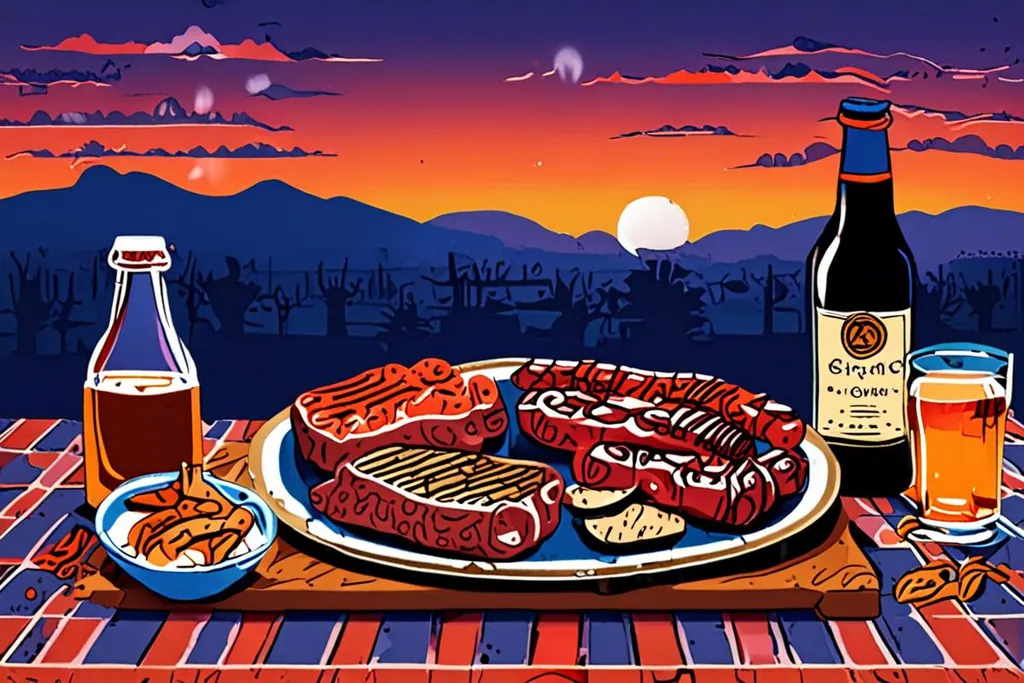
South African food is the food of a country that had a lot of people arrive in it, and the arrivals did the cooking. The Khoisan foraged over three hundred edible plants, including the rooibos shrub whose tea is now on every menu. Bantu-speaking pastoralists brought cattle, grain and a repertoire of stews and preserved meat. Then the Dutch, the French Huguenots, the British, the Malays brought to the Cape as slaves, and indentured labourers from India gave the country what it eats today.
The result is not one cuisine but several that share a table. Meat over fire is the national ritual. Slow-cooked, sweet-spiced Cape Malay food is the cooking of the Bo-Kaap. Durban’s Indian community gave the country bunny chow and some of the finest curries outside India. And the farm stalls that line every country road in the Cape sell biltong, cheese, pies and preserves that are worth planning a drive around.
- Loài thực vật ăn được người Khoisan từng dùng
- 300+
- Nét văn hóa quốc gia
- Braai
- Thịt khô tẩm gia vị
- Biltong
- Món ăn nhanh đặc trưng Durban
- Bunny chow
Braai, biltong and the meat culture
A braai is a barbecue and also a social occasion: wood or charcoal rather than gas, somebody tending the grid, boerewors, lamb chops, chicken and steak, with pap, bread, a relish and a great deal of conversation. It is what happens on a Sunday, in a back garden, beside a dam or on a beach, and if a South African invites you to one, cancel whatever else you had planned.
Biltong is the other side of the same culture: beef, game or ostrich, salted, spiced with coriander and pepper, and air-dried until it is firm, then sliced and eaten by the handful. It is not jerky, which is sweeter and smokier, and the difference is worth tasting side by side. Buy it from a butcher or a farm stall; the airport version is as good as the airport version of anything.
Cape Malay, and the food of the Bo-Kaap
The cooking of the Cape Malay community is the most distinctive in the country: bobotie, a spiced minced meat baked with an egg custard on top; sosaties, skewered meat with apricots and curry; bredie, a slow-cooked stew of lamb and vegetables; and curries that are sweeter and warmer-spiced than their Indian cousins, served with yellow rice and raisins. The Bo-Kaap in Cape Town, with its painted houses, is where to eat it, and it is food that comes out of a home kitchen rather than a restaurant tradition.
Durban curry, and bunny chow
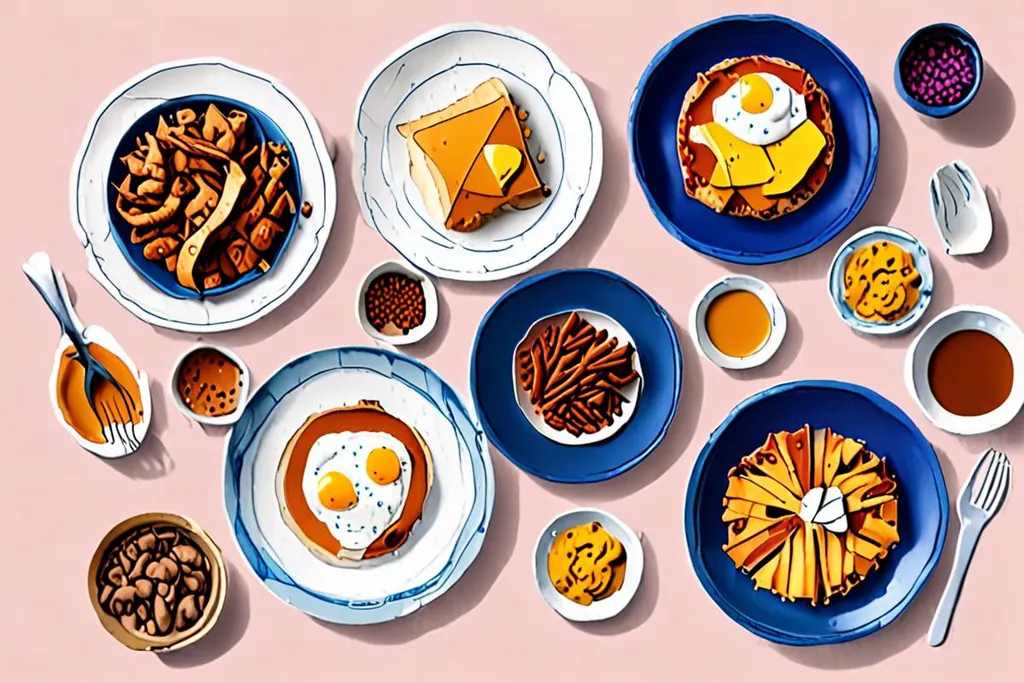
Durban has one of the largest Indian populations outside India, and its food is the strongest argument for the city. The curries are hotter and more complex than most South African cooking, the vegetarian versions are as good as the meat ones, and the local invention is bunny chow: a half or a quarter loaf of bread hollowed out and filled with curry, eaten with your hands, created as a takeaway container that could be thrown away.
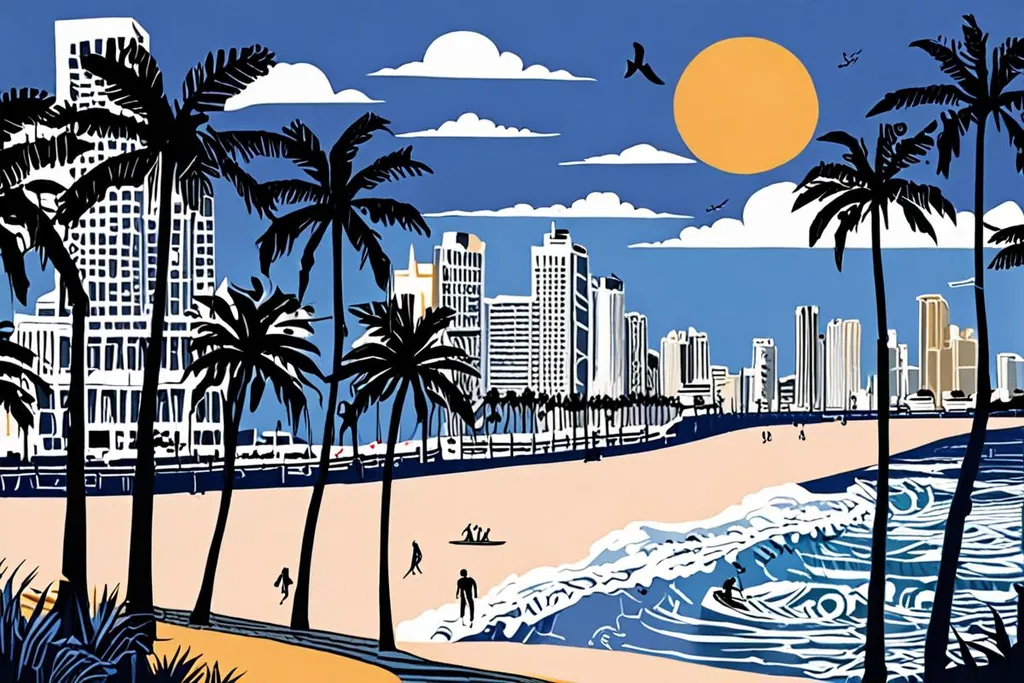
Around it, Durban eats fish and prawns from the Indian Ocean, the markets sell spices by the scoop, and the beachfront cafés do grilled seafood with a view of the surfers. If you eat in one city in South Africa and care about food, make it this one.
The rest of the repertoire
Umngqusho, samp and beans, is a Xhosa staple and was reportedly a favourite of Nelson Mandela. Pap, stiff maize porridge, comes with everything grilled. Chakalaka is a relish of tomato, pepper, carrot and chilli that turns up beside any braai worth attending. Potjiekos is a stew cooked for hours in a cast-iron pot over coals. And in the cities you will find Portuguese and Mozambican grills, a proper steak culture, and a farm-to-table restaurant scene in the Cape that is as good as anywhere in the world outside the obvious capitals.
Bạn đang ở thành phố ẩm thực nào?
Bạn có ở gần bờ biển không?
Bạn có ở Durban hoặc KwaZulu-Natal không?
Durban: cà ri và bunny chow
Quận Ấn Độ quanh đường Victoria, các chợ gia vị, và một suất bunny chow từ tiệm gia truyền làm cà ri lâu năm. Sau đó ra biển nếm cá hoặc tôm nướng, hoặc ghé quán ven đường mua biltong trên đường rời thành phố. Với nhiều người, Durban là nơi ăn uống đậm đà nhất cả nước mà giá lại dễ chịu.
Cape Town: Cape Malay và hải sản
Bobotie, sosaties và bredie ở khu Bo-Kaap, bữa trưa với cà ri Malay ăn kèm roti, cùng cá chiên hoặc cá nướng ở bờ biển Đại Tây Dương hoặc False Bay. Thêm chợ thực phẩm, quán ven đường ở vùng rượu vang, và một buổi braai mà bạn gần như sẽ được mời tham gia, tuần lễ của bạn sẽ trọn vẹn.
Vùng nội địa: bít tết, pap và shisanyama
Johannesburg và Pretoria nổi bật với các nhà hàng bít tết khổng lồ, các tiệm shisanyama ở township nơi bạn chọn thịt theo cân, tự nướng trên than hoa, món potjiekos hầm lâu trong nồi gang, cùng các quán nướng kiểu Bồ Đào Nha và Mozambique ở ngoại ô phía đông. Hãy đi cùng người bản địa đến một tiệm shisanyama và thong thả thưởng thức.
Practical eating
Tap water is safe to drink in cities, towns and most of the country; bottled water is a preference rather than a necessity, and the same is true of salad and fruit. Portions are large, particularly of meat, and ordering what you would normally order will leave you defeated. Tipping is ten per cent in restaurants unless a service charge has already been added, and car guards and petrol attendants get a few rand in coins.
If you do not eat meat, ask. Meat is central to the cuisine, and stock, fat and bacon appear in dishes that look vegetarian: the Durban Indian kitchens and the Cape Malay vegetable curries are your friends, and so is any farm stall selling cheese and bread.
Lưu ý trước khi gọi món
0/8
South African food is easier to understand as a set of regional specialities than as a national dish: curry in Durban, Cape Malay in Cape Town, meat over coals everywhere. Get to a braai if you can, buy biltong from a butcher, and eat a bunny chow with your hands.